

MARIO ORLANDO,
UNA SCELTA D’ESPERIENZA.
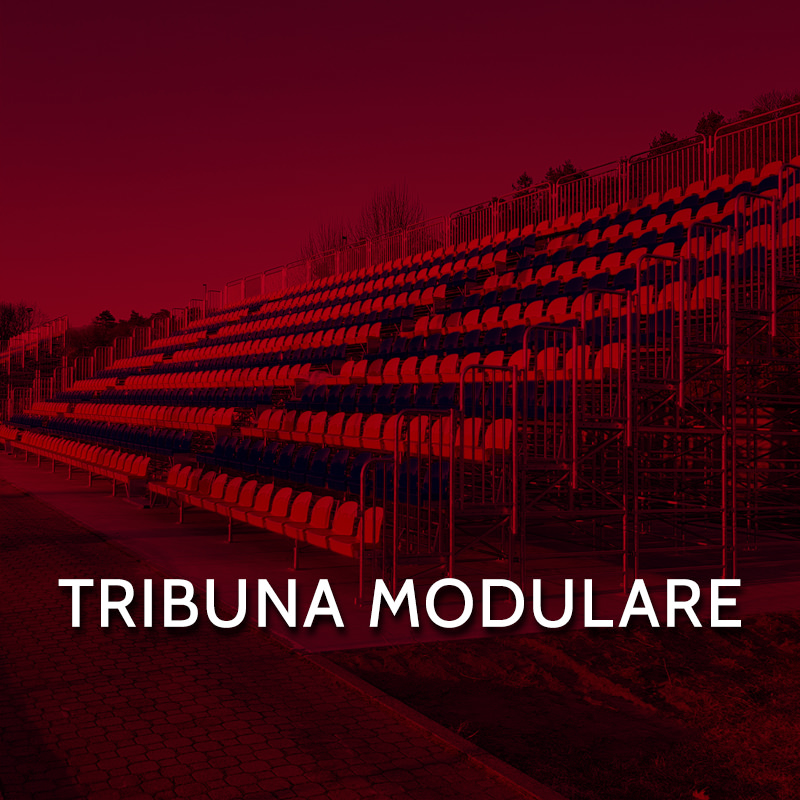
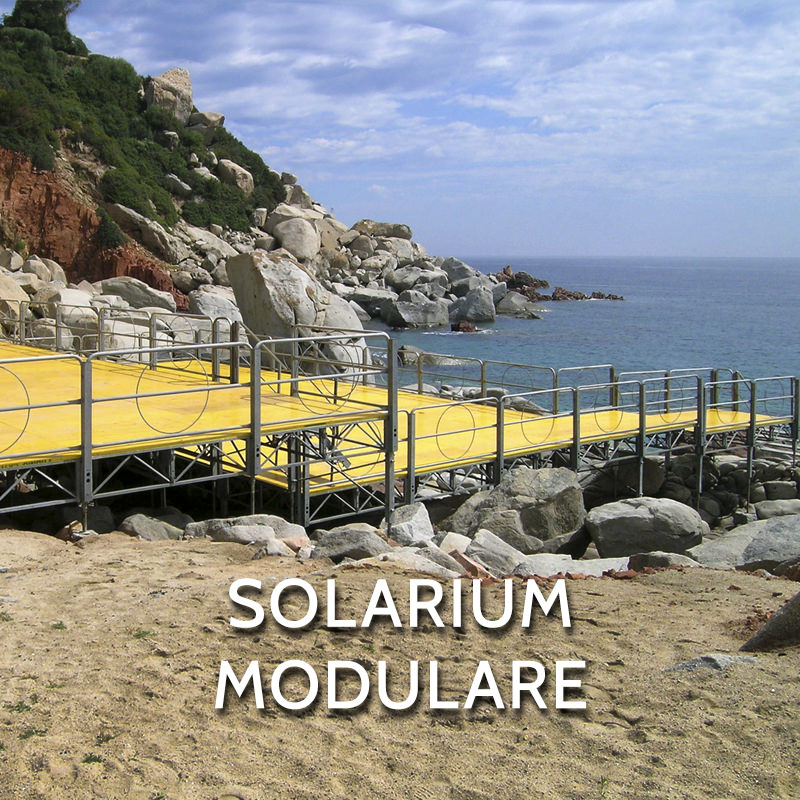
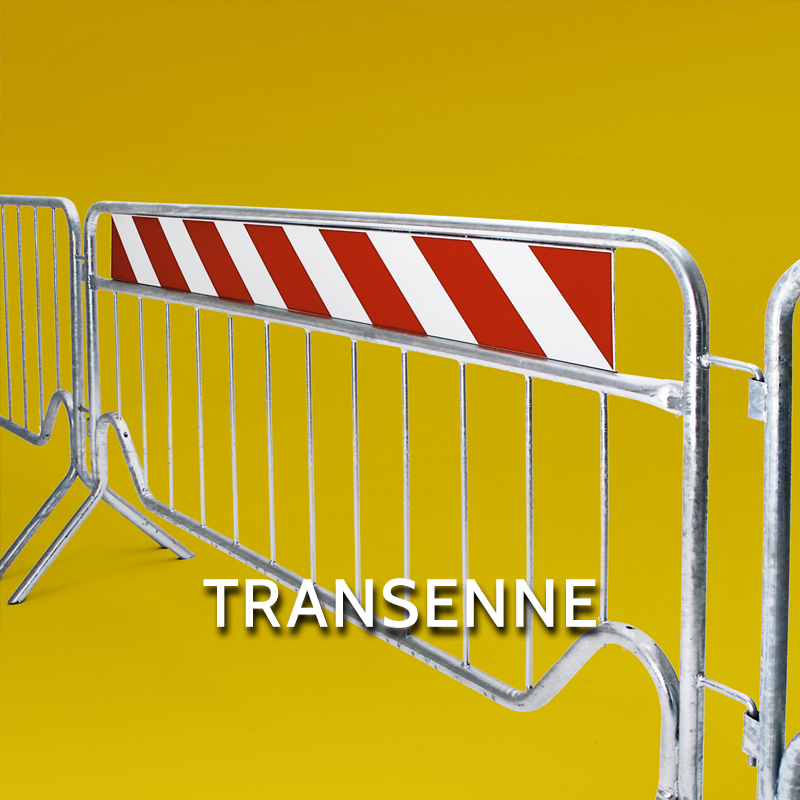
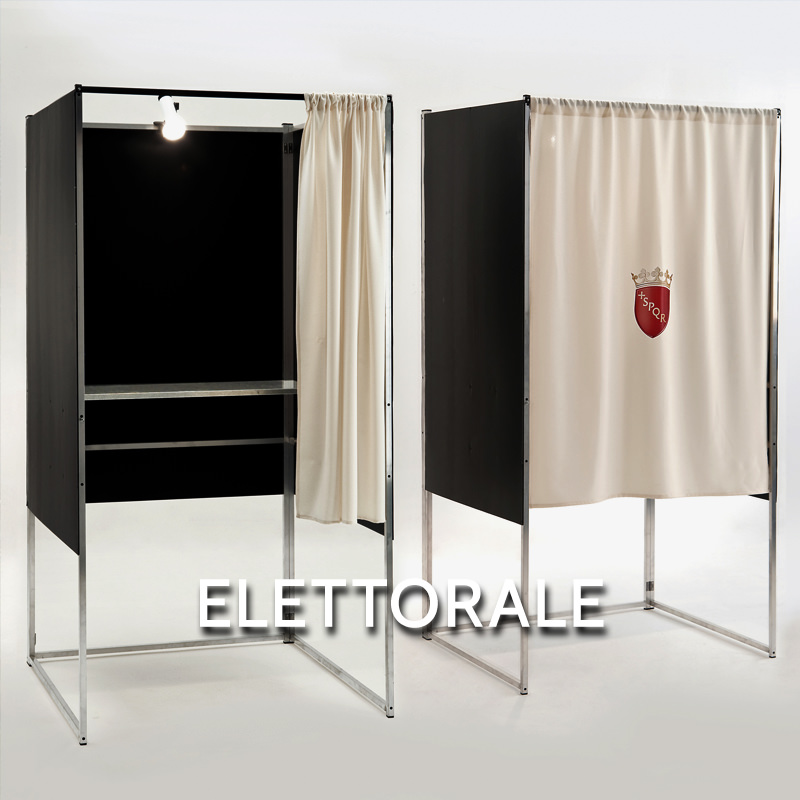
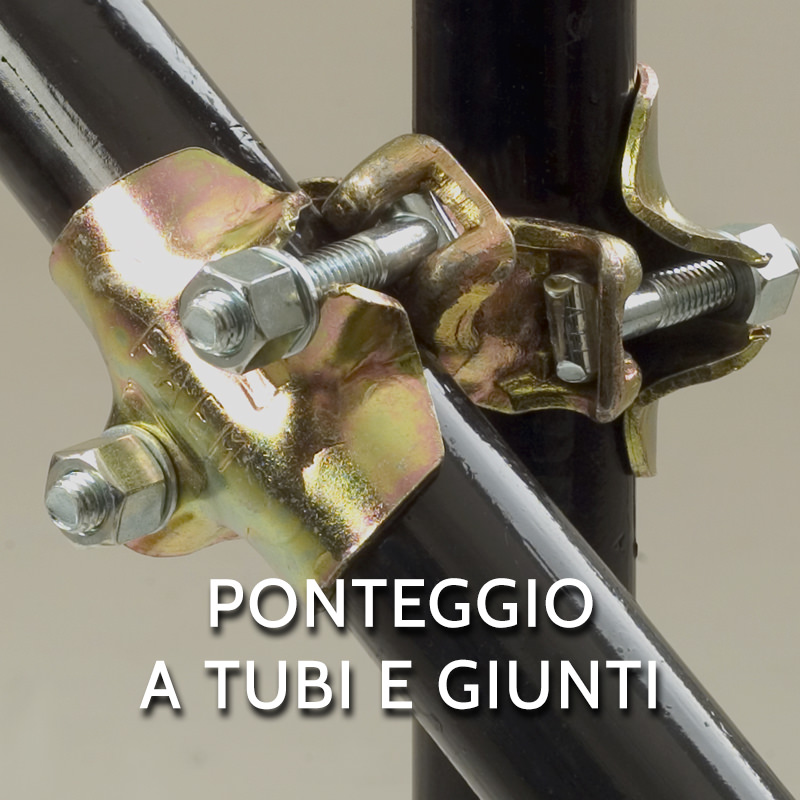
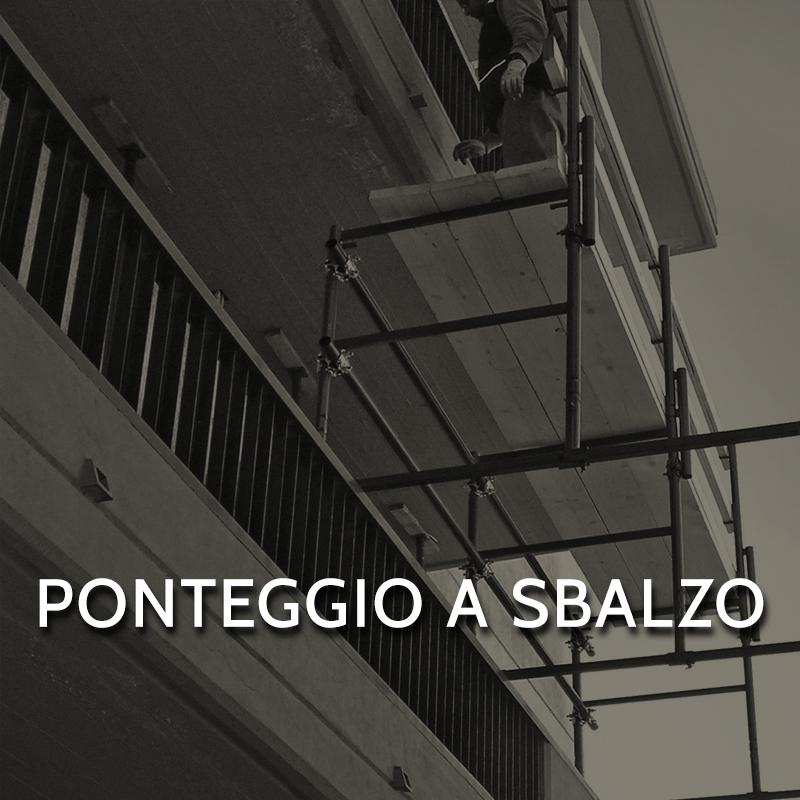
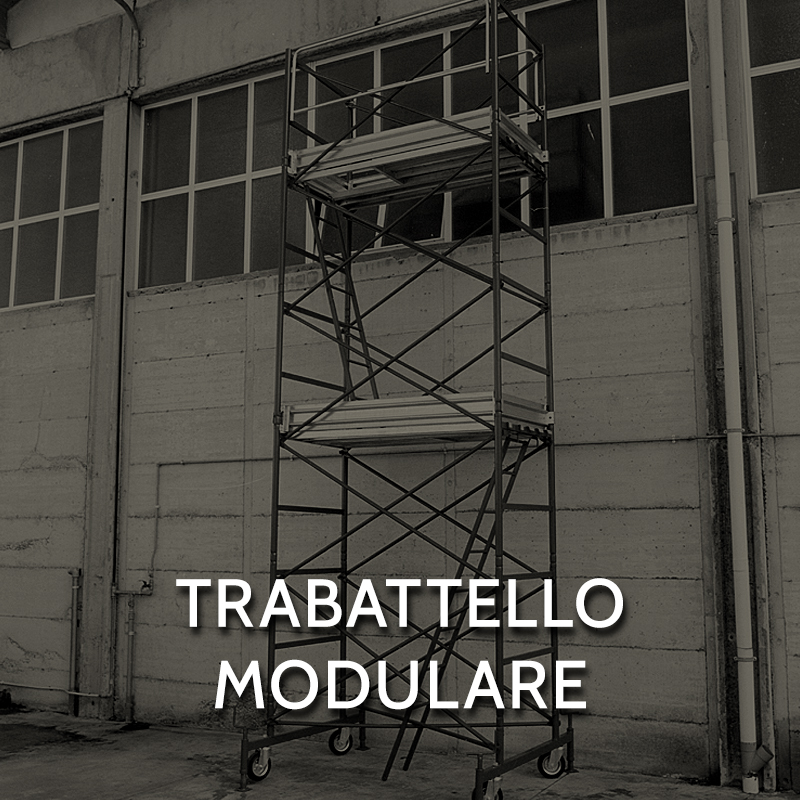
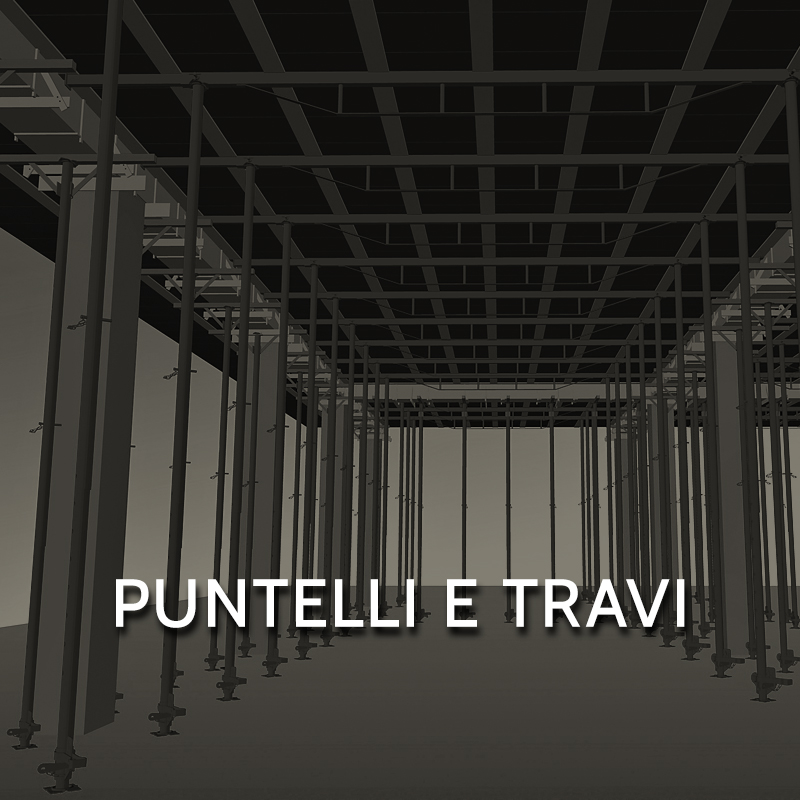
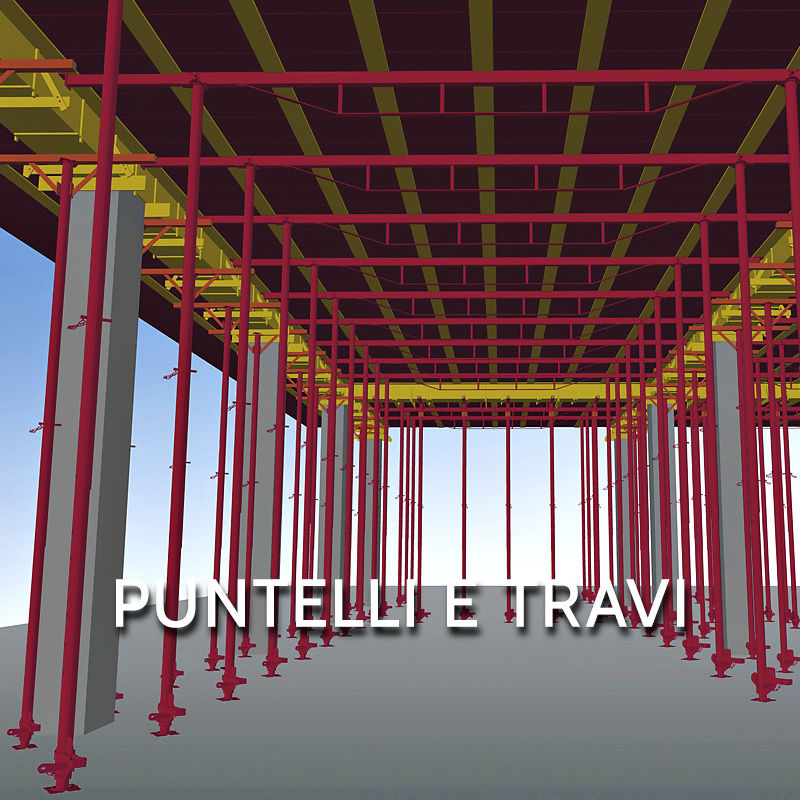
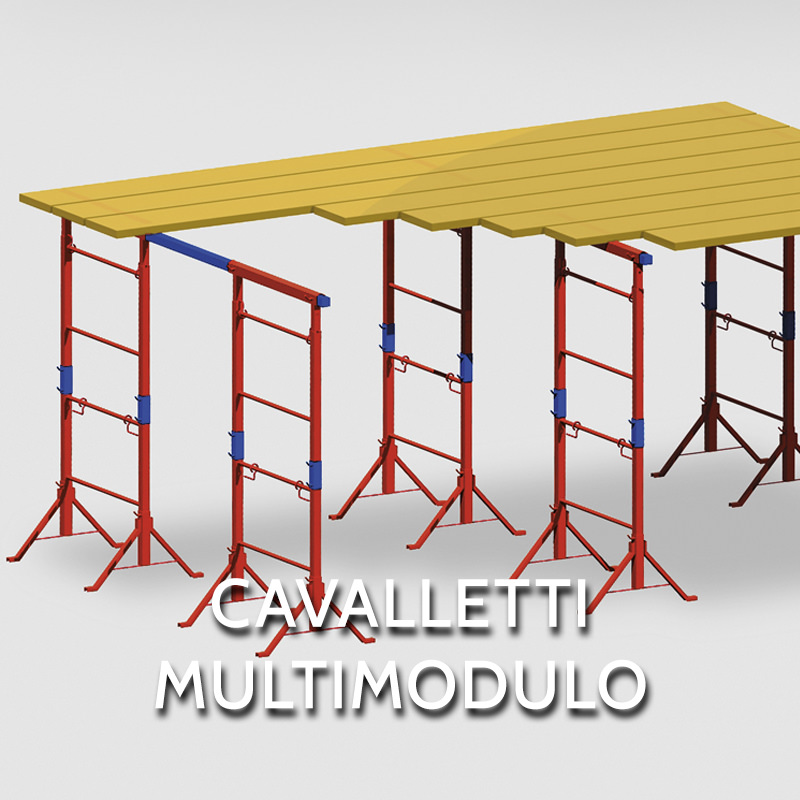
Da oltre 40 anni Mario Orlando progetta e produce soluzioni modulari per lo spettacolo e lo sport, come palchi, tribune, pedane, solarium, stand, transenne, e soluzioni per l’edilizia, come ponteggi prefabbricati, ponteggi a sbalzo, puntellature ed elementi per casserature.
SCELTA DI SICUREZZA E AFFIDABILITÀ
I Palchi e le Tribune Mario Orlando sono soluzioni modulari brevettate, in grado di rispondere con versatilità a una moltitudine di esigenze, sia nel mondo dello spettacolo, sia in quello dello sport e manifestazioni pubbliche.
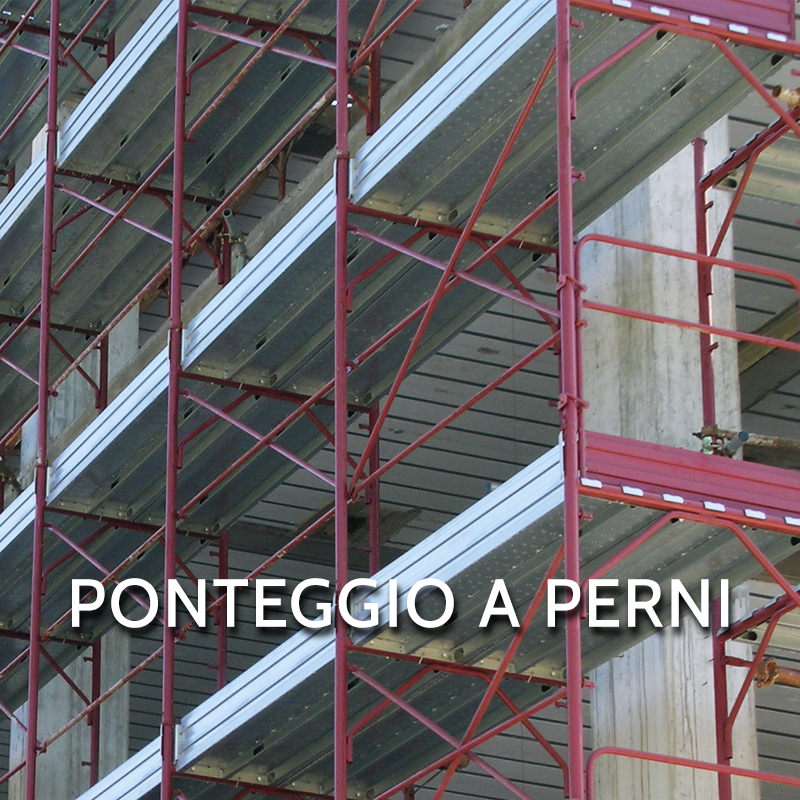
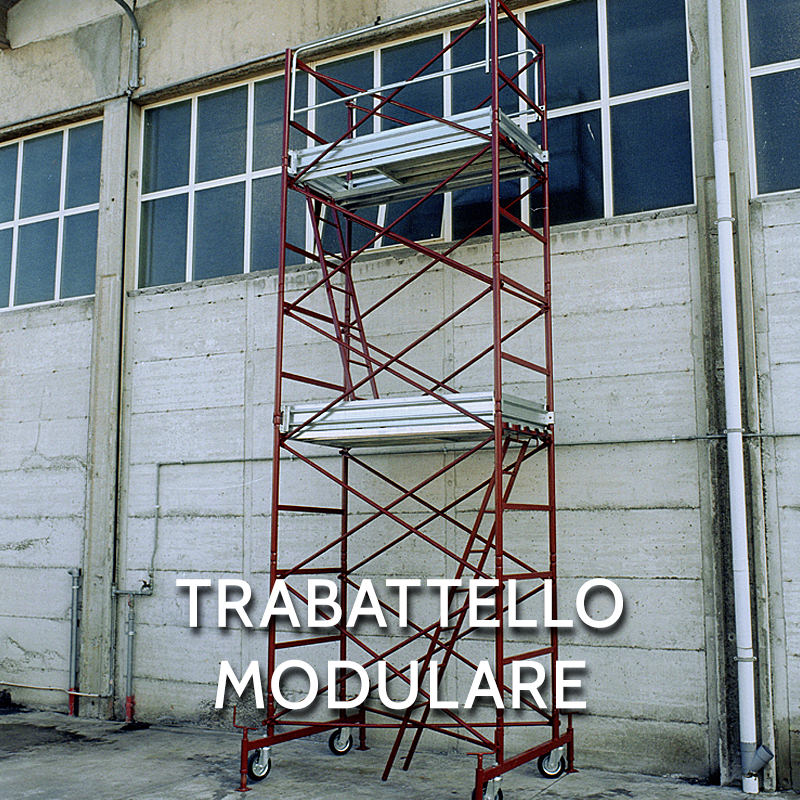
Il ponteggio a perni Mario Orlando è a telai modulari prefabbricati e viene adoperato in edilizia per impalcati di ogni dimensione, sia per lavori di costruzione, sia per la manutenzione o il restauro di edifici.
L’affidabilità delle nostre produzioni è Certificata e con Autorizzazione Ministeriale.













PROGETTAZIONE E INNOVAZIONE
L’esperienza negli anni ci ha insegnato ad evolverci e progettare soluzioni all’avanguardia capaci di migliorare le prestazioni dei prodotti e soddisfare pienamente le richieste dei nostri utenti, anche con soluzioni su misura.
Se vuoi chiedere subito un preventivo gratuito per un nostro prodotto non esitare a contattarci.